

Sometimes the best epiphanies happen over a glass of wine. This was one of them.
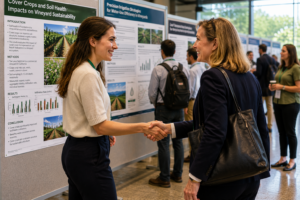
Last week, I met two Gen Z professionals for a glass of wine at a natural wine bar here in Sacramento. See, this Gen Xer is so with it that she goes to natural wine bars. I was WineTalent-maxxing at a cool midtown wine bar that has a retro, chill vibe (OK, that’s about as Gen Z as I can write). It was a casual get-together. The conversation bounced between personal stories, funny anecdotes, and, of course, talking shop—one of the Gen Zers works in wine sales; the other Gen Zer just landed her first career job after finishing her master’s program in ag science.
The conversation turned to AI. One woman talked about building an “agent.” The other mentioned feeding Claude information. Then came tokens. Widgets. Open-source code.
I found myself listening far more than talking. Finally, I admitted, somewhat sheepishly, “I have no idea what half of those words mean.” Once I admitted I was lost, I started asking questions. That’s when I realized these two young professionals weren’t using AI to write emails or summarize articles. They were building tools, creating workflows, and organizing information in ways I’d never imagined.
Then one of them casually said something that completely changed the conversation: “One of the job-search prompts took nearly ten minutes.” Wait… Ten Minutes? I’d never heard of anyone waiting ten minutes for an AI response. Clearly, they were using these tools very differently than I was.
I knew a little about AI. I’d used the free version of ChatGPT, experimented with Google AI and Grok, and my devices had already started serving up AI-generated summaries. But listening to these two digital natives, I realized we weren’t using the same technology in the same way.
AI is already changing how people work. But I’ve been hesitant to really use AI because recruiting is all about people. I pride myself on the relationships I’ve built throughout the wine industry. Recruiting is a relationship business.
My memory has always been one of my greatest professional assets. I didn’t want AI to replace my judgment. I wanted to know if it could free me to use more of it. Could AI help me strengthen the relationships I’d built over the years—and help me build new ones?
I decided it was time to learn.
Continue the AI Journey
Next in the series:
AI Didn’t Get Emma the Job
How a Gen Z job seeker used AI to stay organized while relationships, persistence, and professionalism earned her two job offers.